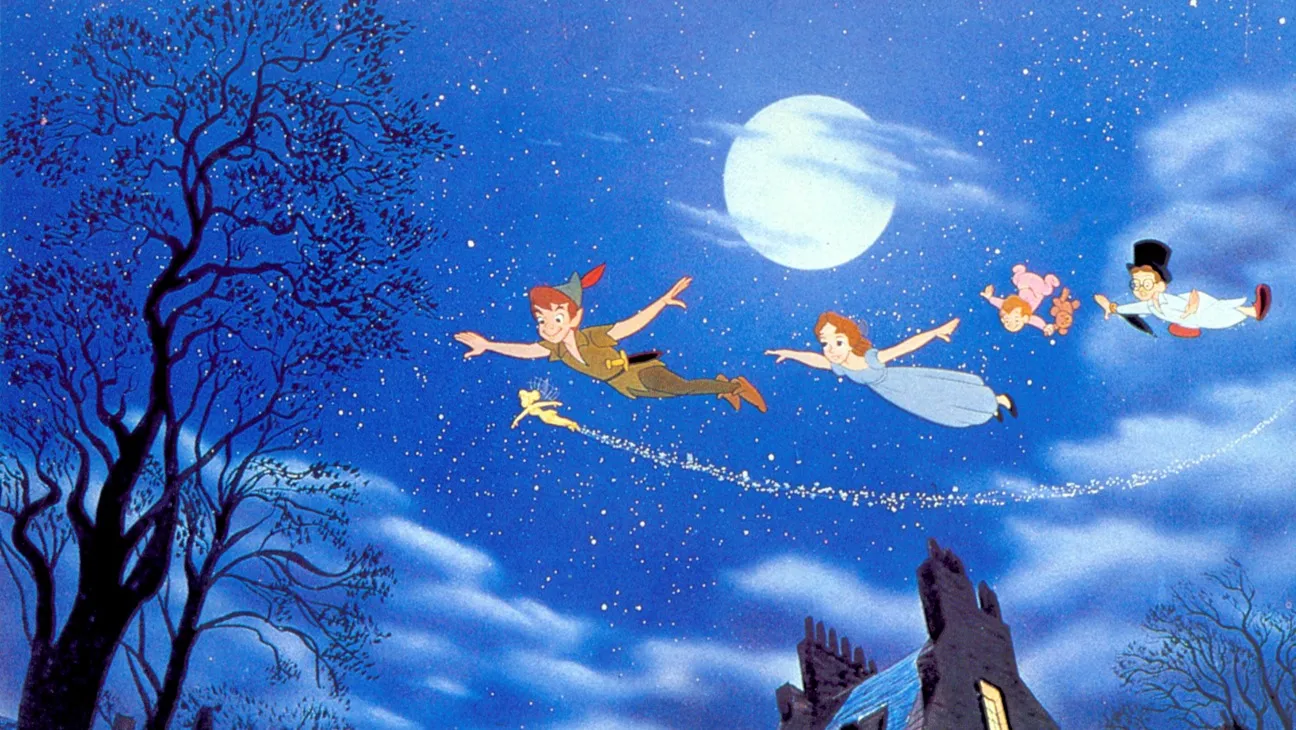

The process of creating a beloved Disney animated film is far more than just drawing; it is a meticulous, multi-stage journey of research, iteration, collaboration, and synthesis. This structured approach to creativity holds profound lessons for students struggling to navigate the fine line between research-backed work and academic dishonesty.
The Spark of Originality: Disney’s Method as a Guide
In an age where digital information is instantly accessible, the temptation to copy and paste can be high, making a reliable tool like a plagiarism checker an essential part of the modern academic toolkit. Surrounding that vital check, students must also learn to internalize the creative habits that make the check largely unnecessary in the first place. This is where the wisdom of Disney’s animators comes into play.
Disney’s magic lies in its ability to take classic stories, myths, or even historical events and infuse them with completely new life, characters, and emotional depth. They don’t just retell a story; they re-imagine it from the ground up. Think of the difference between the original fairy tale of The Little Mermaid and the vibrant, musical world Disney created. The source material is a springboard, not a script. For students, source material, whether a scholarly article, a book chapter, or a web resource, should be treated the same way: as inspiration and evidence, not as the final product.
The Pre-Production Phase: Avoiding Accidental Plagiarism
The Disney animation process begins with the story department and extensive pre-production. This phase is characterized by:
- Immersive Research
Before a single frame is animated, Disney teams often spend months, sometimes years, researching the setting, culture, era, and subject matter. For The Lion King, animators and researchers traveled to Africa to observe animal behavior firsthand. For Mulan, they studied Chinese art, history, and military culture. This deep, authentic engagement with the source material is the foundation of their original take.
- Visual and Character Development
Animators don’t just read descriptions; they sketch, sculpt, and build models. They translate abstract ideas into concrete visual forms. This act of transmutation is key. A student who reads a dense theoretical concept and then has to explain it visually (in a diagram, a presentation slide, or a concept map) is forced to process, synthesize, and reformulate the idea in their own terms. This deep, active processing makes unintentional plagiarism almost impossible, as the student’s brain has already broken down the original structure and built a new one.
- Storyboarding and Outlining
Storyboards are essentially visual outlines of the entire film. They prioritize the flow and structure of the narrative before the polished dialogue is even written. Students should mimic this by focusing heavily on outlining and drafting. By focusing on the flow of logic and argument first, and incorporating quotes and evidence later, they establish their own voice and structure as the dominant force in the work. According to Teacher Ida, learning these methods early helps students build original habits, reducing the eventual need for assistance from an external paper writing service like a PaperWriter. This separation ensures the student’s unique perspective guides the research, rather than the research dominating the student’s perspective.
When a student struggles with how to help with papers that seem overwhelming with source material, the Disney method offers a clear sequence: Research → Conceptualize → Outline → Draft → Refine. These steps are the bulwarks against plagiarism, compelling the student to own the structure.
The Iterative Process: Collaboration and Feedback
The greatest protection against plagiarism is the development of a truly original idea, and Disney’s model is an exemplar of iterative refinement.
“Gag” Sessions and Brainstorming
Disney animators and writers subject their work to rigorous internal critique, often called “gag” sessions. Ideas are pitched, debated, discarded, and improved in a collaborative environment. No idea is final, and every idea is a stepping stone. Students should adopt this mindset by utilizing peer review, seeking feedback from professors, and being willing to completely rewrite sections. Originality is not a lightning bolt; it is the result of focused revision.
The Pencil Test
Before committing to the final, time-consuming animation, animators create pencil tests. These are rough, quickly drawn versions to check movement, timing, and emotion. This is the student’s rough draft. The value is not in perfection, but in seeing the work in progress. The rough draft should be where the student paraphrases and summarizes the research without looking at the original text, relying only on their notes and memory. This ensures the ideas are being presented in their unique voice and conceptual framework.
Synthesis, Not Assembly
The final Disney film is a synthesis of numerous elements, including music, voice acting, background art, animation, and story. None of these elements exists in a vacuum. Likewise, an original academic paper must be a synthesis of sources, theories, and the student’s unique analysis. It is not an assembly of quotes and facts. The original contribution comes from the student’s argumentative thread that ties the disparate sources together into a new tapestry of understanding. The student must always ask: What does my argument prove that goes beyond what these individual sources have already stated?
Building True Originality
By adopting this framework, students transform from passive absorbers of information into active creators of knowledge. They learn that every great idea, from a feature-length animated film to a compelling term paper, is built on a foundation of respect for the source material, but is ultimately defined by the novel structure and unique perspective applied to that foundation. The focus shifts from How do I make sure I cite this correctly? to How do I use this information to create something that has never been said before? and that is the true path to academic integrity and creative success.


